EMBROIDERY DIGITIZING
Big artwork. Carefully built.
Create a statement across the back of a jacket with embroidery planned for coverage, structure and detail.
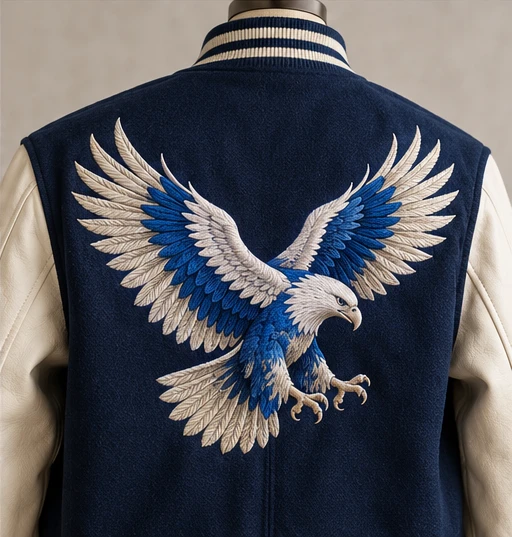
Illustrative design concept
A CONSIDERED APPROACH
Built around the way
you’ll use it.
Larger embroidered designs require attention to fill direction, sequencing and fabric support. Dense areas can affect garment feel, so the design should balance visual impact with the intended material and use.
01
Large coverage
Define which areas need solid stitching and where fabric can remain visible.
02
Artwork hierarchy
Identify the key visual elements that should lead the design.
03
Production sample
Test the design with the planned fabric and stabilizer before a full run.
BEFORE YOU START
A clearer brief.
A better starting point.
Use your clearest source artwork. Include the finished size, application and required date. Confirm price, deliverables and timing before placing an order.
✓ Source artwork
✓ Finished dimensions
✓ Fabric or material
✓ Required format
✓ Deadline & quantity
Illustrative service concept
CHOOSE BY APPLICATION
Where this service
makes a difference.
01
Club & team jackets
Build a large emblem around a clear central symbol and a readable name or supporting text.
02
Staff outerwear
Plan branding on the actual jacket shell or panel, considering construction and lining access.
03
Statement merchandise
Use large embroidery selectively so the visual result and garment feel work together.
KNOW YOUR OPTIONS
Small choices.
A different finished result.
These decisions help define the project before the artwork or production plan is approved.
Jacket Back Digitizing: decisions to confirm
| Decision | What to specify | Why it matters |
|---|---|---|
| Filled versus open areas | Identify where base fabric may form part of the design. | Large solid fills can change the weight and feel of the panel. |
| Panel construction | Provide fabric and seam details for the intended back placement. | Zippers, seams and lining can affect framing and access. |
| Color transitions | Choose deliberate thread regions rather than assuming smooth print-like gradients. | Fill angles and thread choices influence the visual texture. |
ILLUSTRATIVE PROJECT BRIEF
Put the details into context.
A large eagle emblem on the back of a navy varsity jacket. Specify the back-panel dimensions, shell material, dominant colors and any lettering that needs to remain clear.
BEFORE YOU SAY YES
Review the details.
Then take the next step.
A screen preview is one part of approval. Check the details that matter to the actual application.
01
At actual size
Review lettering, counters and the balance of the design at the dimensions that will be stitched.
02
On the intended fabric
Run a sample using the chosen garment material, stabilizer, thread and machine setup.
03
Through the sewing sequence
Check registration, thread behavior and how the finished design sits on the material.
04
Before a full batch
Record any changes clearly and approve the revised sample before production.
ABOUT THIS SERVICE
Jacket Back Digitizing
questions, answered.
More questions about your design? Include the specific application and your artwork when you prepare your brief.
Can a chest-logo file simply be enlarged for a jacket?
A major size increase should be reviewed and may need redigitizing. Stitch lengths, coverage and details should suit the larger application.
Do I need to identify the jacket material?
Yes. Denim, fleece and lightweight shells behave differently, so the material and construction are important parts of the brief.
What should I include with a change request?
Include the file or project reference, exact dimensions, a clear description and photos of any sew-out issue. Say whether the fabric, placement or machine setup has changed.
Is a digitizing request a finished garment order?
No. Digitizing prepares a digital embroidery file. Any physical garment, sewing or patch-production requirements should be specified and confirmed separately.
MORE TO EXPLORE
Find the right fit.
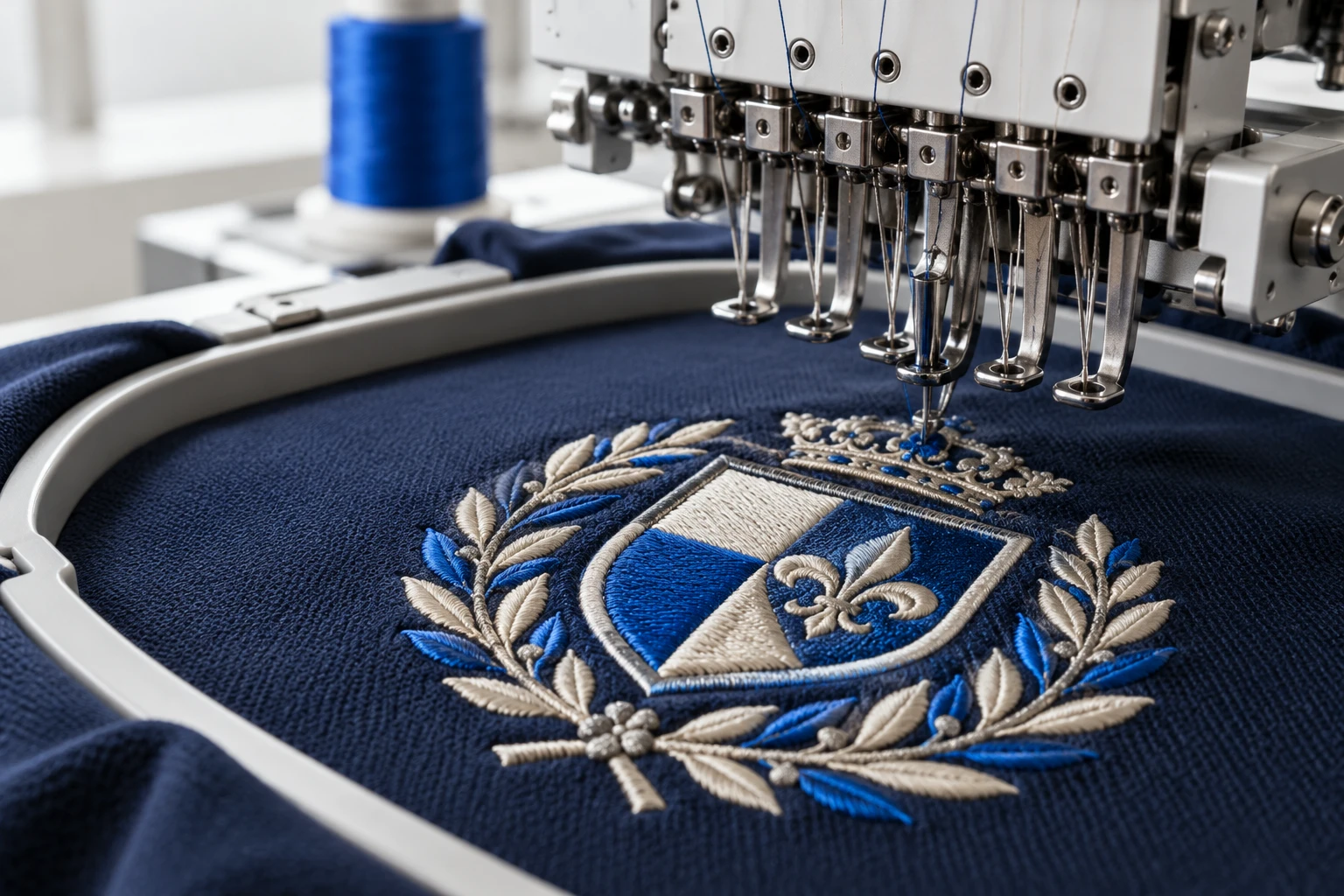
RELATED PORTFOLIO / EMBROIDERY & DESIGN
Explore the portfolio.
Explore artwork, texture and finish through illustrative design concepts.
Statement eagle artworkJacket-back digitizing
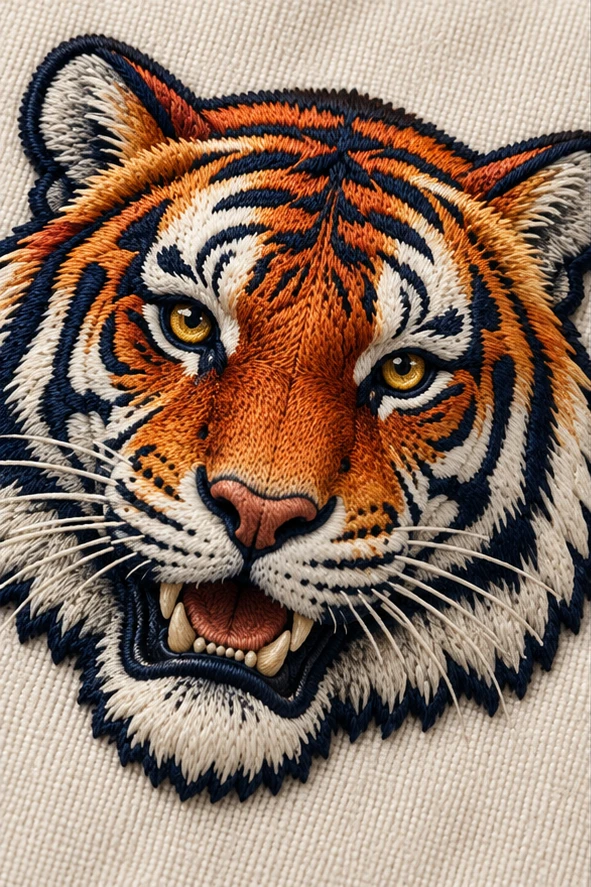
Detailed tiger mascotCustom embroidery digitizing
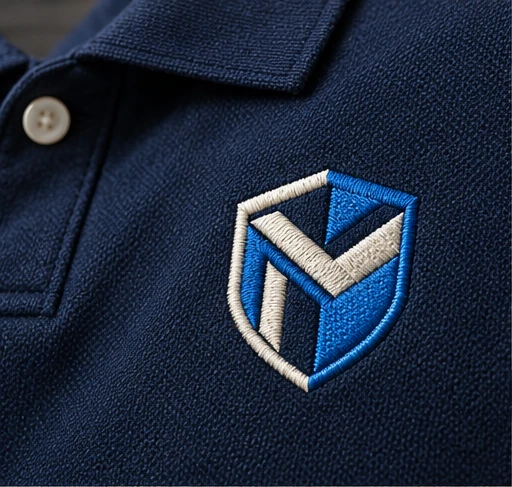
Corporate chest emblemLogo & left-chest digitizing
Illustrative design concepts created to show visual styles and materials. These are not documented customer projects or physical production samples.
LET’S PLAN THE DETAILS
Have a project in mind?
Start with your artwork, finished size and intended application.