VECTOR ART
Start with a mark that has a purpose.
Define a visual direction for your business before turning a logo into print or embroidered applications.
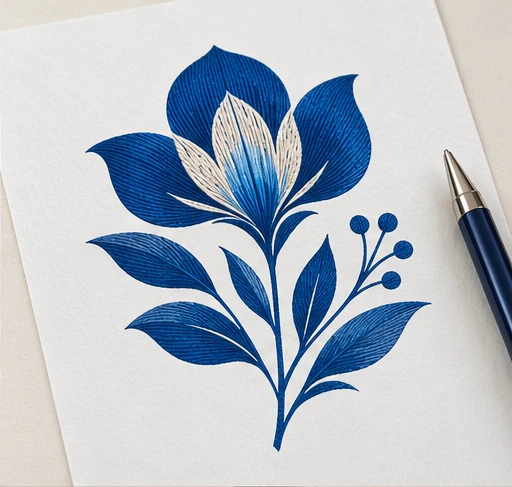
Illustrative design concept
A CONSIDERED APPROACH
Built around the way
you’ll use it.
A useful logo brief explains the business, audience and applications. Share preferred styles and references, and identify any symbols, text or colors that must be included. Design scope and deliverables should be agreed before work starts.
01
Brand essentials
Include the exact name, optional tagline and audience.
02
Visual direction
Share examples of styles and explain what you like about them.
03
Practical use
Think about a logo on a small cap as well as on a large sign.
BEFORE YOU START
A clearer brief.
A better starting point.
Use your clearest source artwork. Include the finished size, application and required date. Confirm price, deliverables and timing before placing an order.
✓ Source artwork
✓ Finished dimensions
✓ Fabric or material
✓ Required format
✓ Deadline & quantity
Illustrative service concept
CHOOSE BY APPLICATION
Where this service
makes a difference.
01
A new business identity
Start with a clear description of what the business does and who it should appeal to.
02
A refreshed existing mark
Identify what must remain recognizable and what is open to change.
03
A product or collection logo
Define how a new mark relates to the main brand and where it will appear.
KNOW YOUR OPTIONS
Small choices.
A different finished result.
These decisions help define the project before the artwork or production plan is approved.
Logo Designing: decisions to confirm
| Decision | What to specify | Why it matters |
|---|---|---|
| Wordmark or symbol | Decide whether the name, an emblem or a combined lockup should lead. | The choice should reflect the intended use rather than a trend alone. |
| Primary and alternate layouts | Identify square, horizontal or small-placement requirements. | A single composition may not work equally well everywhere. |
| Simple and detailed versions | Consider a reduced version for small embroidery or one-color production. | Tiny decorative details can become impractical in some applications. |
ILLUSTRATIVE PROJECT BRIEF
Put the details into context.
A new uniform brand needing a horizontal wordmark and a small cap emblem. Explain the audience, style references, preferred colors and how the two versions should relate.
BEFORE YOU SAY YES
Review the details.
Then take the next step.
A screen preview is one part of approval. Check the details that matter to the actual application.
01
Against the reference
Compare wording, proportions, linework and colors with the approved source.
02
At output size
Check small elements and line weights at the actual print or production dimensions.
03
With the next supplier
Confirm color setup, fonts, background treatment and the requested file format.
04
Before release
Open the delivered artwork in the intended workflow and verify that necessary assets are included.
ABOUT THIS SERVICE
Logo Designing
questions, answered.
More questions about your design? Include the specific application and your artwork when you prepare your brief.
What makes a useful logo brief?
Include the exact name, business purpose, audience, preferred visual direction and the main applications. Explain the reasoning behind reference examples.
Should embroidery be considered during logo design?
Yes, if it is an important application. Discuss simplified shapes, readable lettering and useful alternate layouts from the beginning.
Which delivery format should I request?
Use the format specified by the print or production partner. Explain whether they need editable artwork, outlined text, a transparent background or a specific color setup.
What counts as a change in scope?
A new composition, additional illustration, changed wording or a different production requirement may change the work. Define revisions and deliverables in the project agreement.
MORE TO EXPLORE
Find the right fit.
RELATED PORTFOLIO / VECTOR ARTWORK
Explore the portfolio.
Explore artwork, texture and finish through illustrative design concepts.
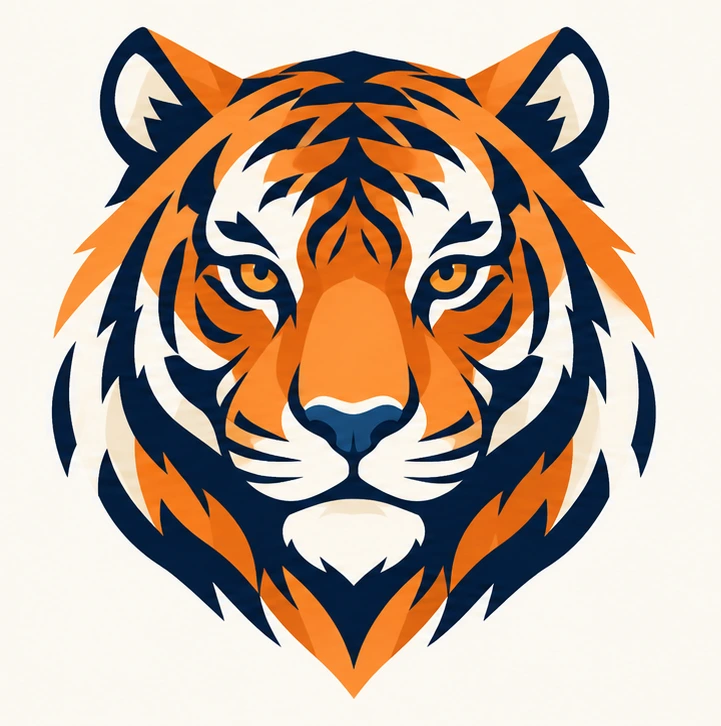
Geometric tiger badgeVector artwork concept

Mountain line-art emblemVector artwork concept
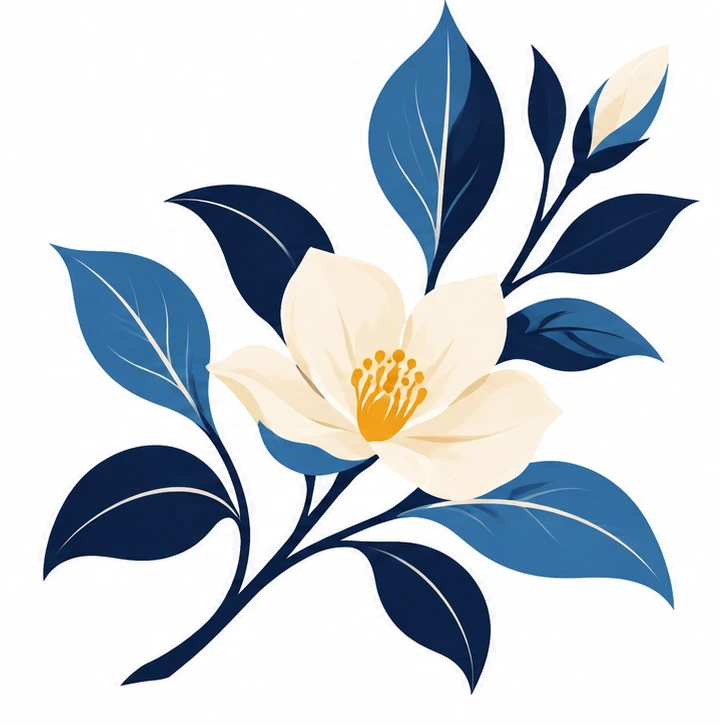
Botanical graphicVector artwork concept
Illustrative design concepts created to show visual styles and materials. These are not documented customer projects or physical production samples.
LET’S PLAN THE DETAILS
Have a project in mind?
Start with your artwork, finished size and intended application.